Featured Article
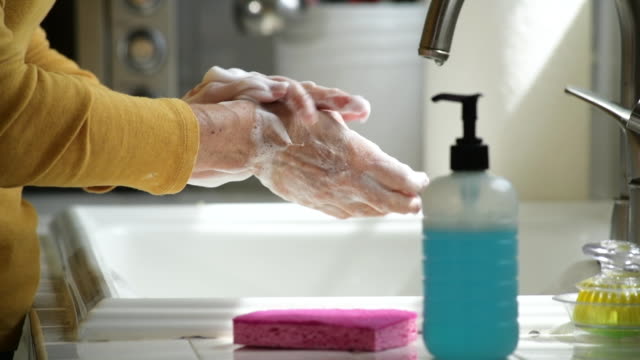
As the coronavirus pandemic continues into the second half of 2020, states across the US remain steadfast in their search to determine the safest methods of returning to normalcy. Without a readily available, effective COVID-19 vaccine, and as the numbers of infected individuals continues to climb, the best practices to ensure public safety are rooted in good personal hygiene and prevention of transmission of the novel coronavirus SARS-CoV-2. To that end, in addition to properly wearing adequate facial covering, individuals should properly wash their hands to prevent direct auto-inoculation.
As the coronavirus pandemic continues into the second half of 2020, states across the US remain steadfast in their search to determine the safest methods of returning to normalcy. Without a readily available, effective COVID-19 vaccine, and as the numbers of infected individuals continues to climb, the best practices to ensure public safety are rooted in good personal hygiene and prevention of transmission of the novel coronavirus SARS-CoV-2.
Despite being a technique widely taught from primary school-age, many individuals do not practice adequate hand hygiene and, even pre-pandemic, suffered from economic losses of missed days at work and/or school.1 Study data have shown that the simple act of handwashing, regardless of other medical interventions, can reduce the transmission of respiratory viruses.2 Furthermore, handwashing with an adequate antimicrobial product for at least 20 seconds can reduce the risk of transmission of viruses, including respiratory viruses like SARS-CoV-2.
Consistent use of water and soap or alcohol-based sanitizer has been estimated by the World Health Organization (WHO) to reduce pathogen spread up to 50% among healthcare workers. Newer studies are now focusing on “virucidal” properties of alternative and novel agents and combinations.
The results of this open-label clinical study suggest that a topical cream containing retinol 0.5% in combination with niacinamide, resveratrol, and hexylresorcinol is efficacious and tolerable for skin brightening/anti-aging when used with a complementary skin care regimen including SPF 30 sun protection.
Sodium hypochlorite (chemically known as NaOCl and more commonly referred to as “Liquid Bleach”), is a chlorine-derived product, that has been used as a disinfectant for over 200 years, and came to prominence in the 1930s. Open wounds were treated with hypochlorite solutions during World War I, which lead to more routine use within hospitals.6 This paired with aggressive marketing, ultimately lead to “Clorox” becoming the household name for a disinfectant.
The antimicrobial effects of these chlorine-derived products comes from their ability to disrupt the membranes of bacteria, fungi, and viruses as well as induce oxidative damage to the necessary proteins and enzymes for microbial survival.7 The strengths of chlorine-derived agents are determined by their concentration and the solvent (typically water) in which they are mixed. When NaOCl is added to water the reaction yields hypochlorous acid ion (HOCl) and sodium hydroxide (NaOH).
Because NaOCl is more stable, it usually predominates at equilibrium. However, in more acidic solvents, the concentration of HOCl increases. This increases the potency of the solution’s antimicrobial properties given that HOCl is 80–120 times more efficient at eliminating bacteria, viruses, and fungi than sodium hypochlorite. Hypochlorous acid on its own is far too caustic and is not appropriate for application to the skin or human body; consequently, it is reserved for disinfecting inanimate objects, demonstrating that its strength comes at a price.
You May Also Like