
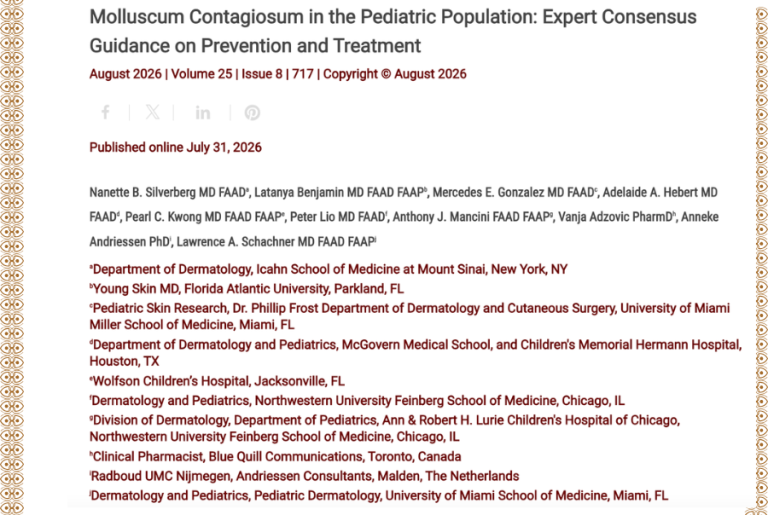
Navigating Pediatric Molluscum Contagiosum: Updated Consensus and Therapeutic Strategies
Have you caught up on this essential publication from the Journal of Drugs in Dermatology (JDD) yet?
Pediatric molluscum contagiosum (MC) continues to present a distinct management challenge in clinical practice. While traditionally viewed as a self-limiting condition, persistent lesions can linger for months or years, often causing physical discomfort, pruritus, and social anxiety for young patients while placing a heavy emotional burden on caregivers. The recent approval of novel therapeutic options by the US Food and Drug Administration (FDA) has reshaped the pediatric dermatology landscape, giving clinicians powerful new options to manage this viral infection.
To address current management challenges and establish clearer clinical direction, a dedicated panel of dermatologists recently utilized a modified Delphi process to formulate evidence-based recommendations. By combining a systematic literature review with clinical experience, the expert panel developed and voted on key statements designed to optimize care for children with MC and their families.
The resulting paper highlights practical guidance on identifying high-risk pediatric populations, utilizing shared decision-making to address family concerns, and leveraging modern treatment modalities. The consensus explores critical data surrounding FDA-approved therapies such as berdazimer gel 10.3% and cantharidin 0.7%, outlining expected clearance timelines and clinical outcomes.
For dermatology professionals looking to refine their approach to viral pediatric skin infections and elevate family-centered care, this paper offers actionable insights. Explore the full consensus recommendations, literature review findings, and detailed expert statements by accessing the complete article today.
Blog write-up assisted by AI