Featured Article
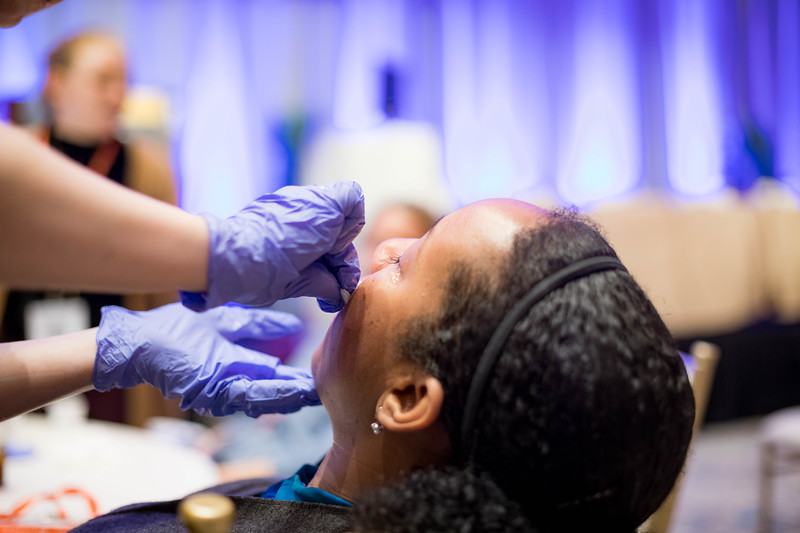
As a complementary procedure to hydroquinone homecare products, patients have used chemical peels to improve hyperpigmentation or melasma.3 While chemical peels are considered safe for all skin types, post-inflammatory hyperpigmentation can be a concern of higher strength chemical peels, particularly in those with darker skin.2
An Advanced, Physician-Strength Retinol Peel Improves Signs of Aging and Acne Across a Range of Skin Types Including Melasma and Skin of Color
A clinical study was conducted to evaluate the tolerability, safety, and efficacy of the 3% retinol peel with a supportive homecare regimen across a range of peel candidates, females aged 18-65 years, with photodamage, acne, hyperpigmentation or melasma, and skin of color, over a series of 2-4 peels.
Physician-strength chemical peels are consistently the third most common cosmetic procedure next to neurotoxin and soft-tissue filler injections.1 Superficial chemical peels are common and safe peeling procedures.2 Facial chemical peels are highly sought after by aging patients who desire improvements to fine lines and wrinkles, pigmentation, clarity, and laxity, as well as patients with acne, hyperpigmentation, or melasma.
As a complementary procedure to hydroquinone homecare products, patients have used chemical peels to improve hyperpigmentation or melasma.3 While chemical peels are considered safe for all skin types, post-inflammatory hyperpigmentation can be a concern of higher strength chemical peels, particularly in those with darker skin.2
Retinol is a proven ingredient for the management of acne and is used as adjunctive care for photodamage due to its ability to enhance exfoliation, increase epidermal thickness, and reduce matrix metalloproteinase (MMP) activity (collagenase) while increasing collagen.4-7
Studies have demonstrated that topical prescription retinoids are safe and effective in patients with dark skin for the treatment of post-inflammatory hyperpigmentation.8 Cosmetic retinol products have been shown to affect hyperpigmentation and provide a more even skin tone.5
An advanced, physician-strength superficial peel containing 3% retinol was developed to exfoliate and improve the appearance of fine lines and wrinkles, plump and firm skin, and reduce hyperpigmentation while promoting a bright, even complexion.
Formulated with bisabolol to help calm the skin, and Vitamin E as an antioxidant, this peel provides additional benefits to overall skin appearance with the addition of triethyl citrate and acetyl tyrosinamide to enhance the skin’s matrix for plumping and firming effects.9-11
A single center, prospective clinical study evaluated the tolerability and effectiveness of a series of cosmetic retinol peels, in conjunction with a homecare regimen, to improve the appearance of fine lines, wrinkles, skin firmness, and overall complexion brightness on subjects with mild to moderate photodamage across a range of peel candidates, including those with moderate acne, hyperpigmentation or melasma, and skin of color.
-
Neil Sadick MD,a,b Brenda L. Edison BA,c Gabriella John MS,c Krista L. Bohnert BS,a Barbara Green RPh MSc
You May Also Like