
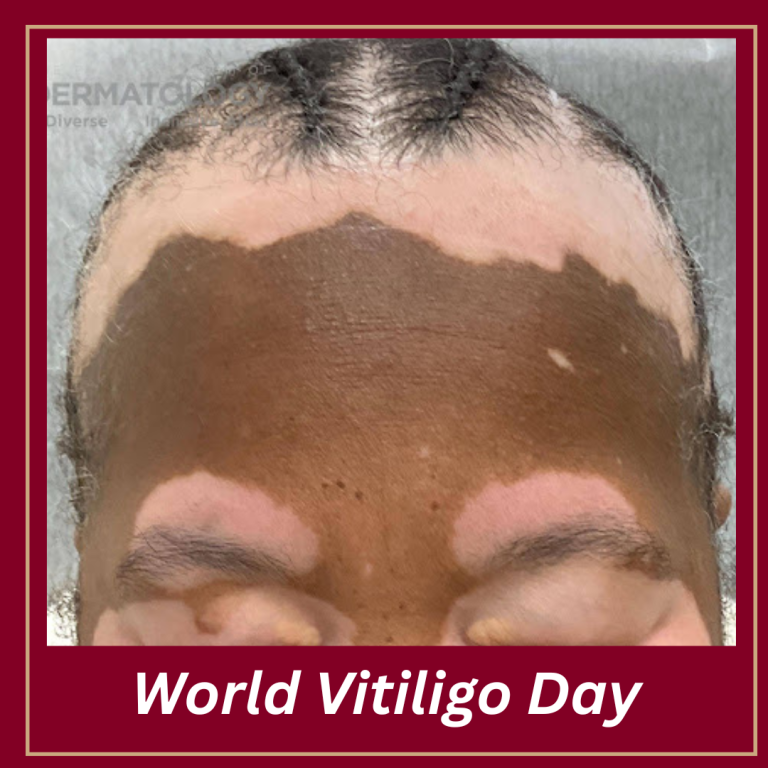
June 25 marks World Vitiligo Day, a global recognition of a condition that affects approximately 0.5-2% of the population worldwide. Though non-life-threatening, vitiligo carries a profound psychosocial burden, disproportionately affecting patients with skin of color and often leading to stigmatization and diminished quality of life.
In recent years, the dermatology community has witnessed significant advances in both the mechanistic understanding and therapeutic landscape of vitiligo. From the identification of IFN-γ–CXCL10 pathways and resident memory T cells to the emergence of JAK inhibitors and combination phototherapies, clinical research is rapidly evolving. These breakthroughs offer renewed hope for durable repigmentation and disease stabilization.
At the same time, gaps remain. Access to care, therapeutic disparities, and limited patient education continue to challenge outcomes—especially in underserved populations. Culturally competent care and representation in clinical imagery are crucial to delivering equitable, effective treatment.
As we honor patients living with vitiligo and the clinicians and researchers working to improve their care, we invite you to explore JDD’s growing body of work on this topic. From original research to expert reviews and clinical pearls, our vitiligo articles are designed to inform practice and spark further innovation.
Where to start, how about here:
Association Between Topical Ruxolitinib Treatment and Psychiatric Outcomes in Adults With Vitiligo
Maximizing a Focused Vitiligo Patient Visit: A Practical Approach
A Review of the Vitiligo Literature to Standardize Expression of Disease Severity
Representation of Skin of Color in Social Media Discussions on Melasma, Keloids, and Vitiligo