
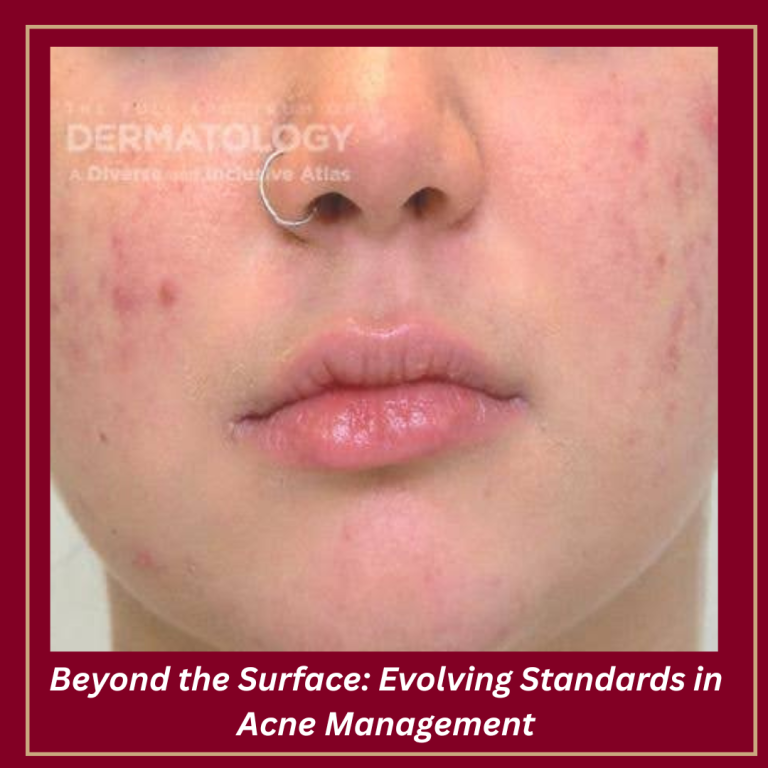
Beyond the Surface: Evolving Standards in Acne Management
June marks Acne Awareness Month, serving as a critical pivot point to reframe acne vulgaris not as a temporary phase, but as a chronic inflammatory disease requiring sophisticated clinical intervention. With a global prevalence reaching 85% in adolescents and a surging incidence in the adult population, acne continues to dominate dermatologic practice.
The therapeutic landscape is transforming rapidly. Our understanding of the skin microbiome and complex cytokine signaling has paved the way for a new era of precision medicine. From the introduction of first-in-class androgen receptor inhibitors like clascoterone to the targeted efficacy of fourth-generation retinoids and advanced phototherapy, the toolkit for remission is expanding. Current best practices now prioritize rigorous antibiotic stewardship, nuanced protocols for skin of color, and proactive strategies to mitigate long-term physical and psychological scarring.
This month, the Journal of Drugs in Dermatology (JDD) spotlights acne and rosacea in our June issue, featuring cutting-edge clinical data, expert commentary, and practical pearls for integrating new therapies into daily practice.
We invite you to join the conversation, and elevate your acne care, with JDD’s latest peer-reviewed content.
Looking for additional acne articles. Start here:
Practical Algorithm for Acne Treatment Integrating Skincare and Energy-Based Devices
Efficacy and Safety of Clascoterone Cream 1% for Acne Are Independent of Age and Sex