
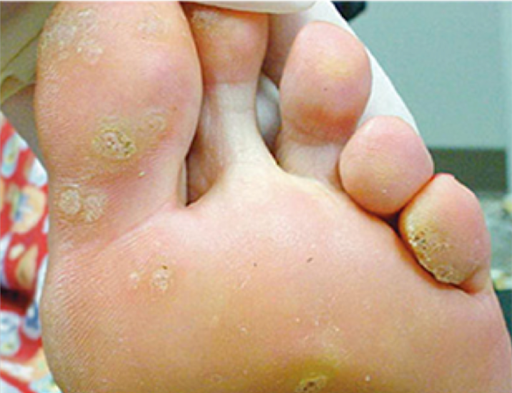
Despite millennia of observation and modern understanding of HPV, treatment choices remain trade‑offs between efficacy, speed and tolerability
Warts are caused by non‑enveloped double‑stranded DNA human papillomaviruses and, while two‑thirds will clear spontaneously within two years, many patients seek treatment because of symptoms, cosmetic concern or risk of spread. Current therapies offer variable cure rates, often require repeated office visits, and must balance resolution speed against side effects; there remains no radical antiviral that reliably and rapidly eradicates HPV from lesions. Although most clinically relevant warts are linked to low‑risk HPV types, coinfection with higher‑risk strains can occur, which argues for vigilance when lesions are atypical or risk factors for malignant transformation are present.
What’s the take-away? This landscape reinforces the need to individualize care: weigh the probability of spontaneous remission against morbidity and patient preference, choose interventions with a favorable safety‑efficacy profile for the clinical context, biopsy or escalate evaluation for atypical or recalcitrant lesions, and counsel patients clearly about realistic timelines and the current limits of antiviral therapy.
This is a must-read article!
J Drugs Dermatol. 2025;24(12) doi:10.36849/JDD.9099
Blog write-up assisted by AI