
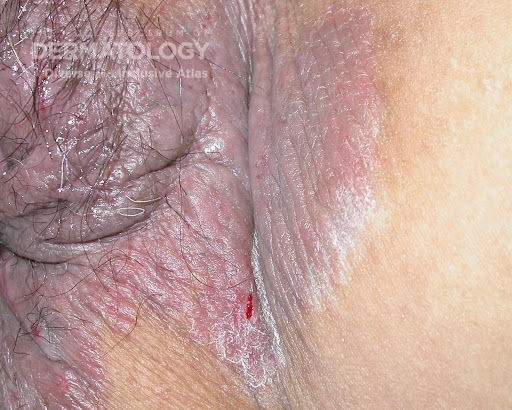
Case report: IL‑31 receptor blockade markedly reduced neuropathic pruritus and improved quality of life in a 52‑year‑old woman after standard therapies failed
Scarring reflects replacement of normal dermis by fibroblast-driven, disorganized collagen, a process that may be amplified by scar dehydration and increased transepidermal water loss. The literature supports silicone-based products (gels, sheets) as the current standard for scar prevention and management (likely because they restore hydration and occlusion) typically used up to ~12 hours daily for many months; some data suggest comparable benefits might be achieved with other occlusive, hydrating OTC moisturizers. Retinoids can remodel scars and improve texture (small uncontrolled trials report meaningful improvements) but require slow initiation and counseling about irritation. Pressure therapy can reduce hypertrophy and erythema when worn nearly continuously (eg, ~15 mm Hg, ~23 hours/day), yet patient adherence is often poor. Topical corticosteroids reduce inflammation, pruritus and may promote regression in hypertrophic scars, but long‑term supervised use is needed to minimize atrophy and pigmentary risks. Cannabinoid‑based topicals show intriguing signals for pain, pruritus and wound‑healing acceleration in small series and surveys, but dosing, formulation and robust efficacy data are lacking. Overall, evidence is heterogeneous and many studies are small or observational, so combination approaches tailored to scar type, symptom burden and patient preference are reasonable while awaiting larger randomized trials.
Clinical takeaway: prioritize barrier restoration and occlusion (silicone or equivalent emollients) as first‑line therapy, set realistic expectations about duration and adherence, consider retinoids for remodeling with stepwise introduction, reserve pressure garments for motivated patients willing to tolerate prolonged wear, use topical steroids judiciously for symptomatic hypertrophic scars, and view cannabinoid preparations as experimental adjuncts pending higher‑quality evidence.
Read the article for an in-depth look at this captivating article!
J Drugs Dermatol. 2025;24(12) doi:10.36849/JDD.1225
Blog write-up assisted by AI