
Featured Article
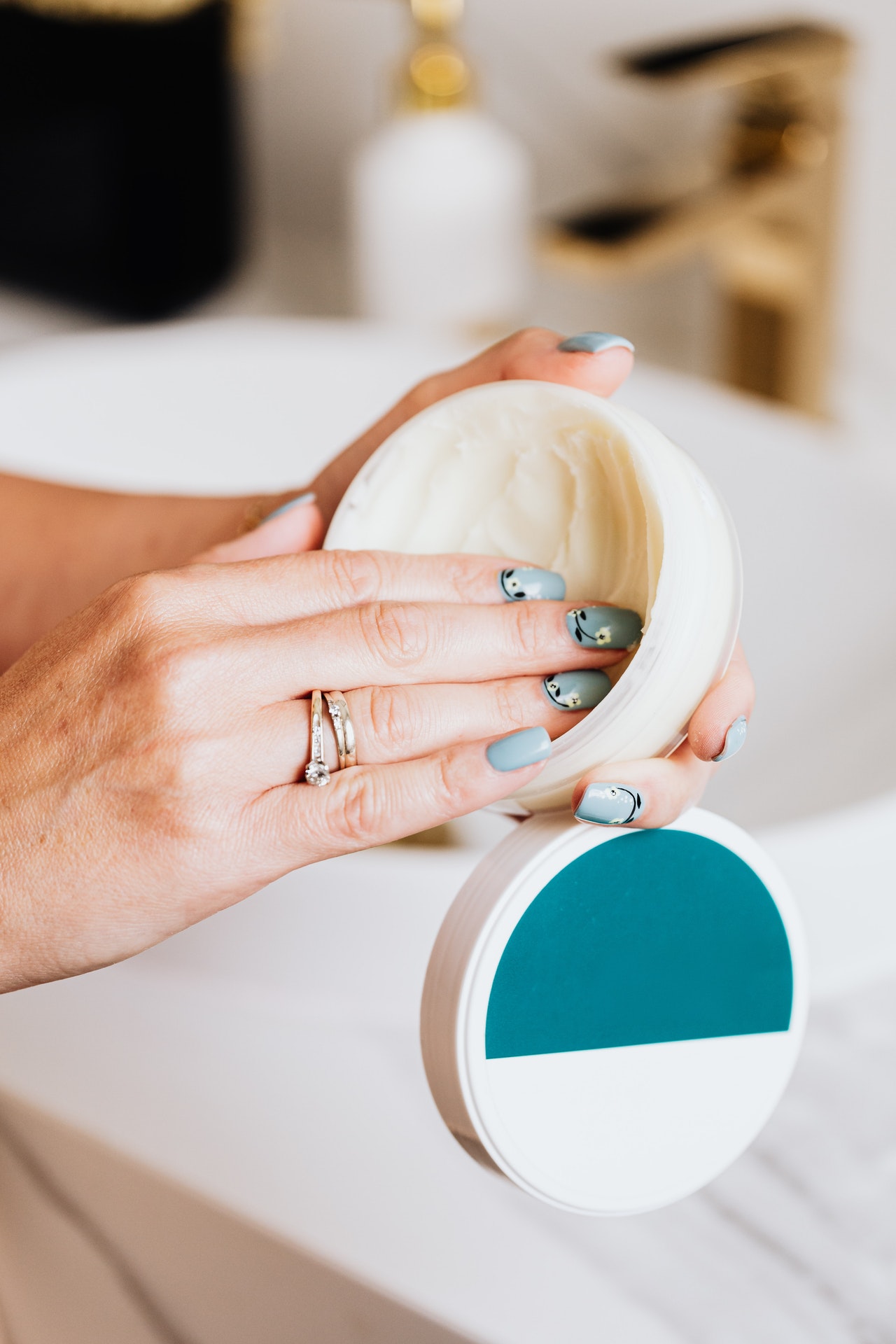
Colloidal oatmeal has a long-standing history in the treatment of dermatologic disease. It is composed of various phytochemicals, which contribute to its wide-ranging function and clinical use. It has various mechanisms of action including direct anti-inflammatory, anti-pruritic, anti-oxidant, anti-fungal, pre-biotic, barrier repair properties, and beneficial effects on skin pH. These have been shown to be of particular benefit in the treatment of atopic dermatitis.
Colloidal oatmeal has a long-standing history in the treatment of dermatologic disease. It is composed of various phytochemicals, which contribute to its wide-ranging function and clinical use. It has various mechanisms of action including direct anti-inflammatory, anti-pruritic, anti-oxidant, anti-fungal, pre-biotic, barrier repair properties, and beneficial effects on skin pH. These have been shown to be of particular benefit in the treatment of atopic dermatitis.
Oatmeal has a longstanding and rich history pertaining to its dermatologic use. The first documentation of oatmeal for skin health dates back as early as 2000 BC in Arabia and Egypt, where it was described as soothing and protecting in dry or itchy, inflamed skin. Oatmeal flour was subsequently recognized as a topical therapy for a variety of dermatologic conditions in Roman medical literature. The first scientific studies on the skin benefits of oatmeal appeared in the 1930s, including information about the cleansing properties of oatmeal, its role in relieving itch, and its function as a skin protectant.
In the 1940s and 1950s colloidal oatmeal became commercially available both in powder form and mixed with emollient oils, instigating medical studies examining the benefits of colloi-dal oatmeal baths in various xerotic dermatoses.
The results of this open-label clinical study suggest that a topical cream containing retinol 0.5% in combination with niacinamide, resveratrol, and hexylresorcinol is efficacious and tolerable for skin brightening/anti-aging when used with a complementary skin care regimen including SPF 30 sun protection.
In 1989, the United States Food and Drug Administration (FDA) approved colloidal oatmeal as a safe and effective over-the-counter drug. In 2003, the FDA noted that colloidal oatmeal could relieve irritation and itching due to a number of dermatoses, providing temporary skin protection.5 Colloidal oatmeal is one of the few products that the FDA recognizes as a safe over the counter treatment. Today it is available in various forms including creams, lotions, shampoos, shaving gels, bath treat-ments, and body wash.
Colloidal oatmeal is the powder obtained from the grinding and processing of whole oat grain. Under strict protocols es-tablished by the US Pharmacopeia, oat grain is ground and processed until no more than 3% of the total particles in the powder exceed 150 μm in size and no more than 20% exceed 75 μm in size.6 The small size of the particles contributes to their ability to deposit on the skin and form an occlusive barrier when dispersed in water. Oat is composed of various types of phytochemicals, which contribute to its wide-ranging function and clinical use. Col-loidal oatmeal consists of sugars and amino acids (65%), proteins (15–20%), lipids (11%), and fiber (5%).7 The most important groups of phytochemicals present in oats include phenolics, β-glucans, lignans, avenanthramides, carotenoids, vitamin E, and phytosterols.
Of the phenolics present in oats, ferulic acid and caffeic acid are strong antioxidants, and fe-rulic acid also has UV absorbing properties.8 Flavonoids, a group of phenolic compounds present in oat, also are capable of absorbing ultraviolet A light from 320–370 nm. β-glucans are polysaccharides of D-glucose monomers and have a high viscosity largely due to their β-(1–3)-linkages.This viscosity contributes to the water-binding properties of oat. Oats also contain a wide range of minerals and vitamins, of which vita-min E is the most clinically relevant. Vitamin E is a naturally occurring antioxidant that protects against oxidative stress, inflammation, and photo-induced aging.
Learn more about the history, basic science, mechanism of Action, and clinical efficacy of colloidal oatmeal in the treatment of Atopic Dermatitis now.
You May Also Like
Get More from the JDD
Get the latest dermatology news delivered straight to your Inbox – sign up for the JDD Newsletter.
Discover the latest research, exclusive articles from leading dermatology experts, popular Podcast episodes, free CME activities, and more!