
JDD Review Examines Malassezia Folliculitis and Diagnostic Challenges for Clinicians
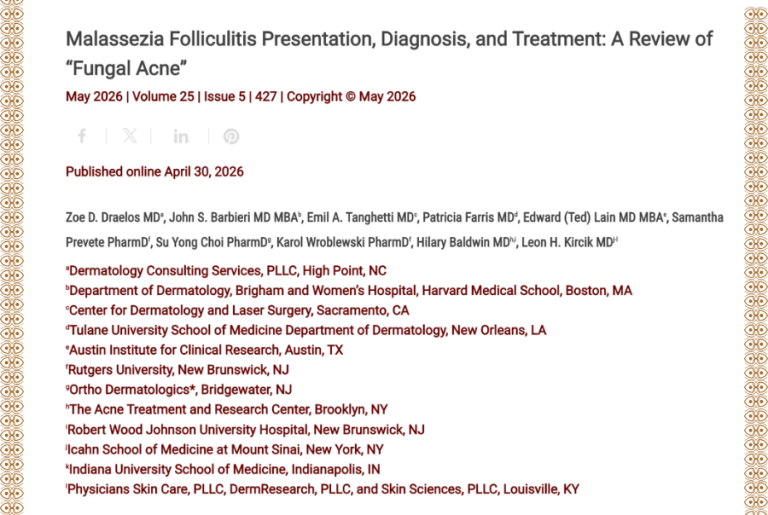
This is a must-read article from JDD. A narrative review in the Journal of Drugs in Dermatology summarizes current evidence on Malassezia folliculitis, often labeled fungal acne, and highlights why practicing dermatologists should consider it in the differential for persistent papulopustular disease.
The authors outline prevalence data that vary by geographic region and note higher rates among patients diagnosed with acne vulgaris compared with the general population. The review describes recognized risk factors including hot, humid weather, hair follicle occlusion, and immunocompromise, and it discusses shared pathogenic pathways between Malassezia folliculitis and acne vulgaris such as sebum changes and inflammation. Diagnostic approaches reviewed include clinical assessment with confirmatory testing when indicated, specifically direct microscopy and histopathology. On treatment the paper emphasizes antifungal therapy as the principal option while also noting that acne topicals which target overlapping pathogenesis, for example benzoyl peroxide and retinoids, may have a role and deserve further study.
For dermatology healthcare professionals this review frames common pitfalls in misdiagnosis and delayed treatment, and it underscores the need for accurate diagnosis before empiric therapy. If you manage patients with refractory papulopustular eruptions or see trends of self directed antifungal use, consult the full JDD article to examine the review’s diagnostic pointers, therapeutic considerations, and recommendations for future research. Reading the complete paper will help inform clinical decisions and discussions with patients about appropriate testing and treatment strategies.
Blog write-up assisted by AI